If you are a woman over 40 and wondering why weight loss feels harder than it used to, you are not imagining it.
If you are a woman over 40 and wondering why weight loss feels harder than it used to, you are not imagining it.
Many women reach midlife doing the same things that worked in their 20s and 30s only to discover that the scale barely moves. The problem is not that you suddenly became lazy, unmotivated, or incapable. Your body is changing, and the strategies that once worked may no longer be the right tools for the job.
Understanding those changes is the first step toward making progress again.
Why Weight Loss After 40 Feels Different
As women enter their 40s and 50s, several things begin happening at the same time.
Hormones start shifting during perimenopause and menopause.
Muscle mass naturally declines if it is not maintained.
Stress levels are often higher than ever.
Sleep quality frequently decreases.
Life becomes busier with careers, marriages, aging parents, children, and countless responsibilities.
All of these factors influence body composition, metabolism, energy levels, and appetite.
This is one reason why weight loss after 40 often feels more difficult than it did in earlier decades.
Your Metabolism Is Not Broken
One of the biggest myths about weight loss for women over 40 is that metabolism suddenly stops working.
The truth is more encouraging.
While metabolism does slow somewhat with age, the larger issue is often loss of muscle mass.
Muscle burns more calories than fat, even when you are resting.
When women stop strength training or become less active, they often lose muscle over time. As muscle decreases, daily calorie expenditure decreases as well.
The solution is not starvation diets.
The solution is building and maintaining muscle.
Why Strength Training Matters More Than Cardio
Many women respond to weight gain by doing more cardio and eating less.
Unfortunately, this approach can sometimes backfire.
Excessive cardio combined with aggressive calorie restriction can increase fatigue, make recovery harder, and contribute to muscle loss.
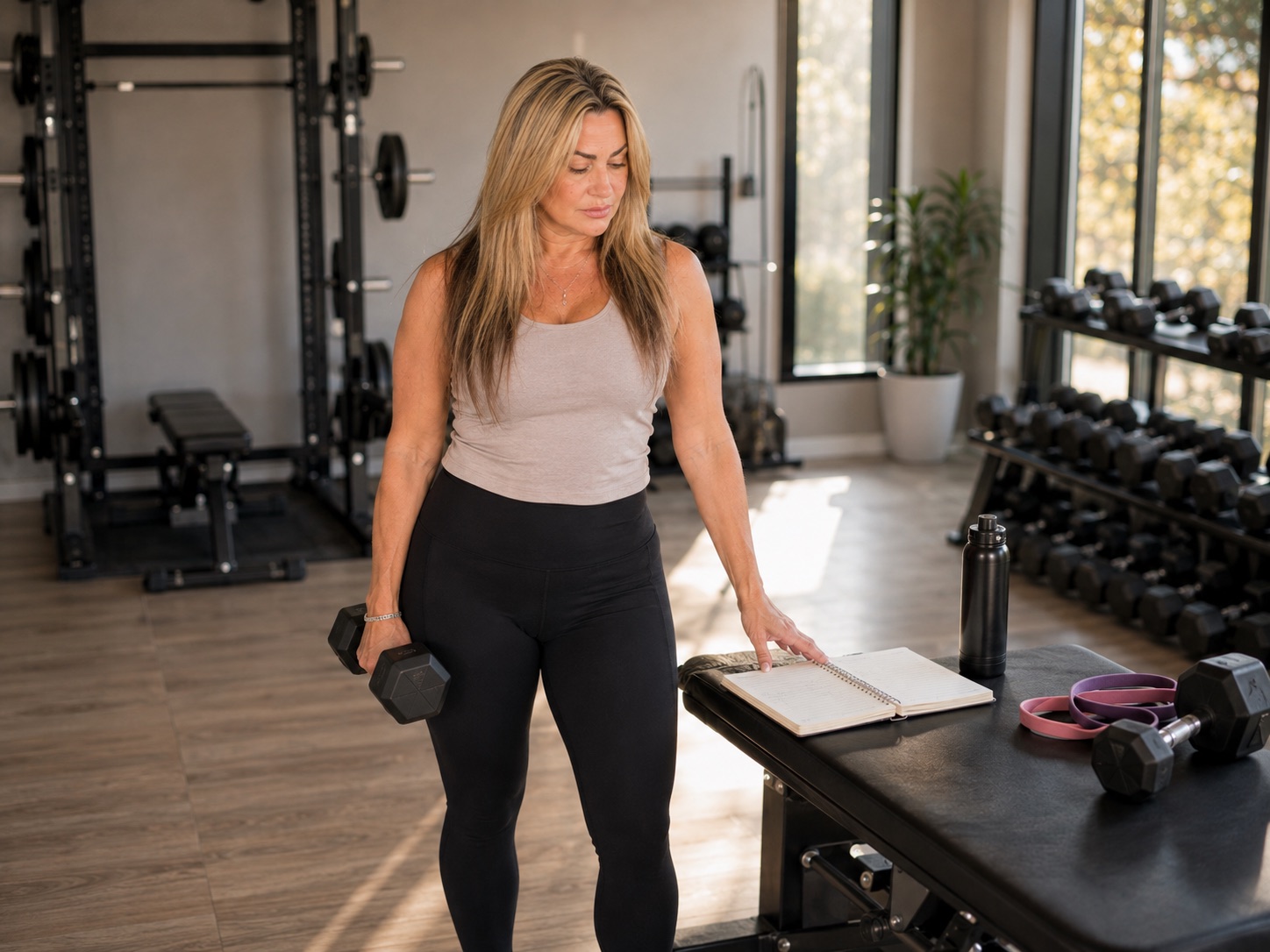
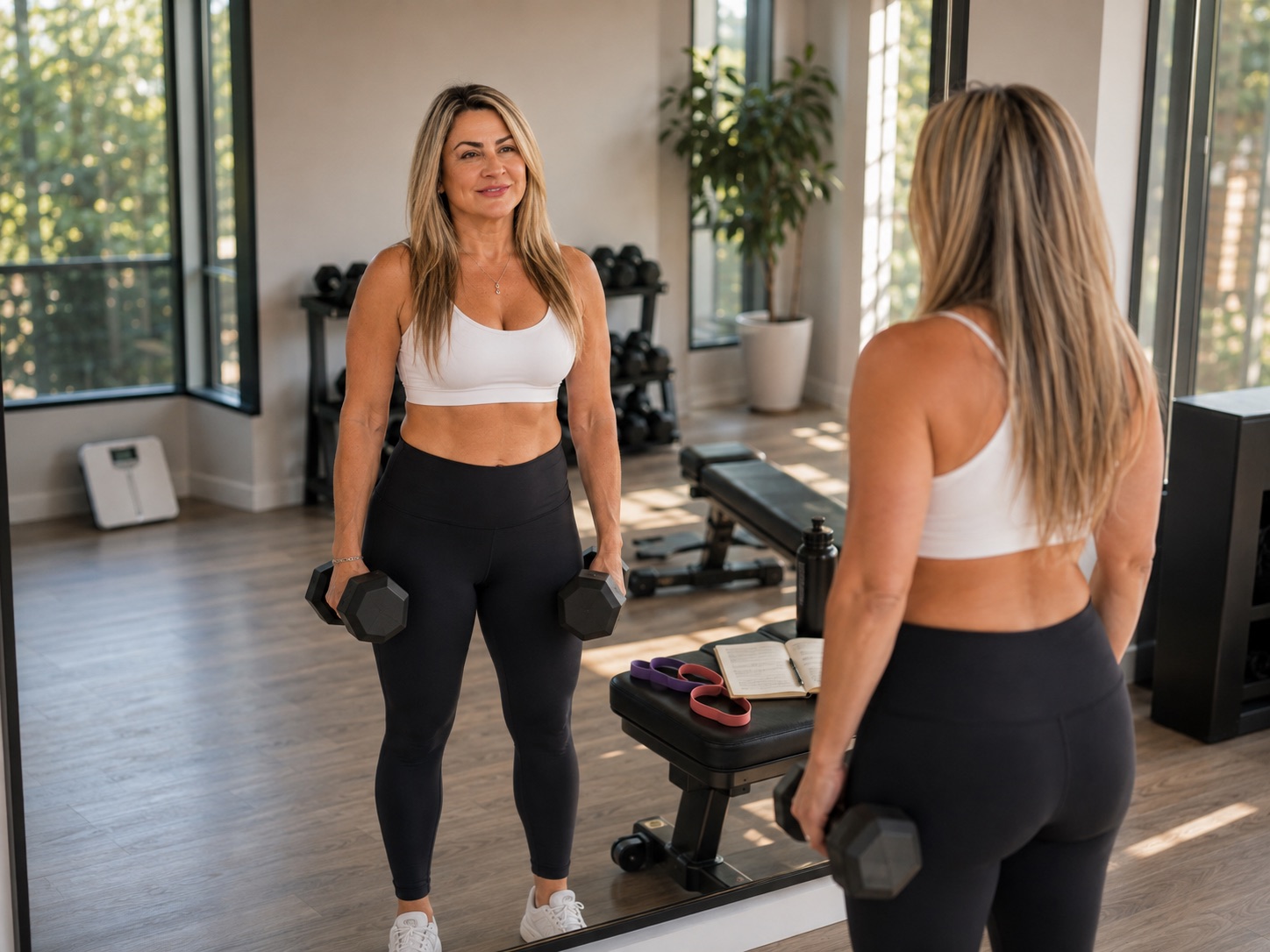
Strength training helps preserve and build lean muscle, improves insulin sensitivity, supports bone health, and creates a stronger, healthier body.
For women over 40, strength training is often one of the most effective tools for long-term fat loss and body recomposition.
Strong truly does look good on you.
The Role of Hormones
Hormonal changes can influence where weight is stored, how hungry you feel, and how your body responds to stress.
Many women notice increased abdominal fat during perimenopause and menopause.
This does not mean hormones make weight loss impossible.
It simply means the process may require a different approach than it did before.
Rather than chasing quick fixes, focus on habits that support hormonal health:
- Strength training consistently
- Prioritizing sleep
- Managing stress
- Eating adequate protein
- Staying physically active throughout the day
These habits work with your body instead of fighting against it.
The Importance of Protein
Protein becomes increasingly important as women age.
Adequate protein supports muscle retention, recovery, satiety, and healthy body composition.
Many women unknowingly eat far less protein than their bodies need.
Building meals around quality protein sources can make a significant difference in both weight loss and overall health.
Why Restrictive Diets Usually Fail
Most women do not struggle because they lack discipline.
They struggle because they are trying to follow plans they cannot realistically maintain.
Extreme diets may produce short-term results, but they often lead to burnout, frustration, and weight regain.
Sustainable weight loss comes from creating habits you can continue for years rather than weeks.
The goal is not perfection.
The goal is consistency.
What Actually Works for Weight Loss After 40
While every woman is different, successful weight loss after 40 often includes:
- Strength training 2–4 times per week
- Prioritizing protein at every meal
- Walking regularly
- Managing stress
- Improving sleep quality
- Maintaining a moderate calorie deficit
- Focusing on long-term habits rather than quick fixes
None of these strategies are exciting.
That is exactly why they work.
The Bottom Line
Weight loss after 40 is different, but it is not impossible.
Your body is not broken.
Your metabolism is not doomed.
You do not need to punish yourself into progress.
You need a strategy that matches the season of life you are in.
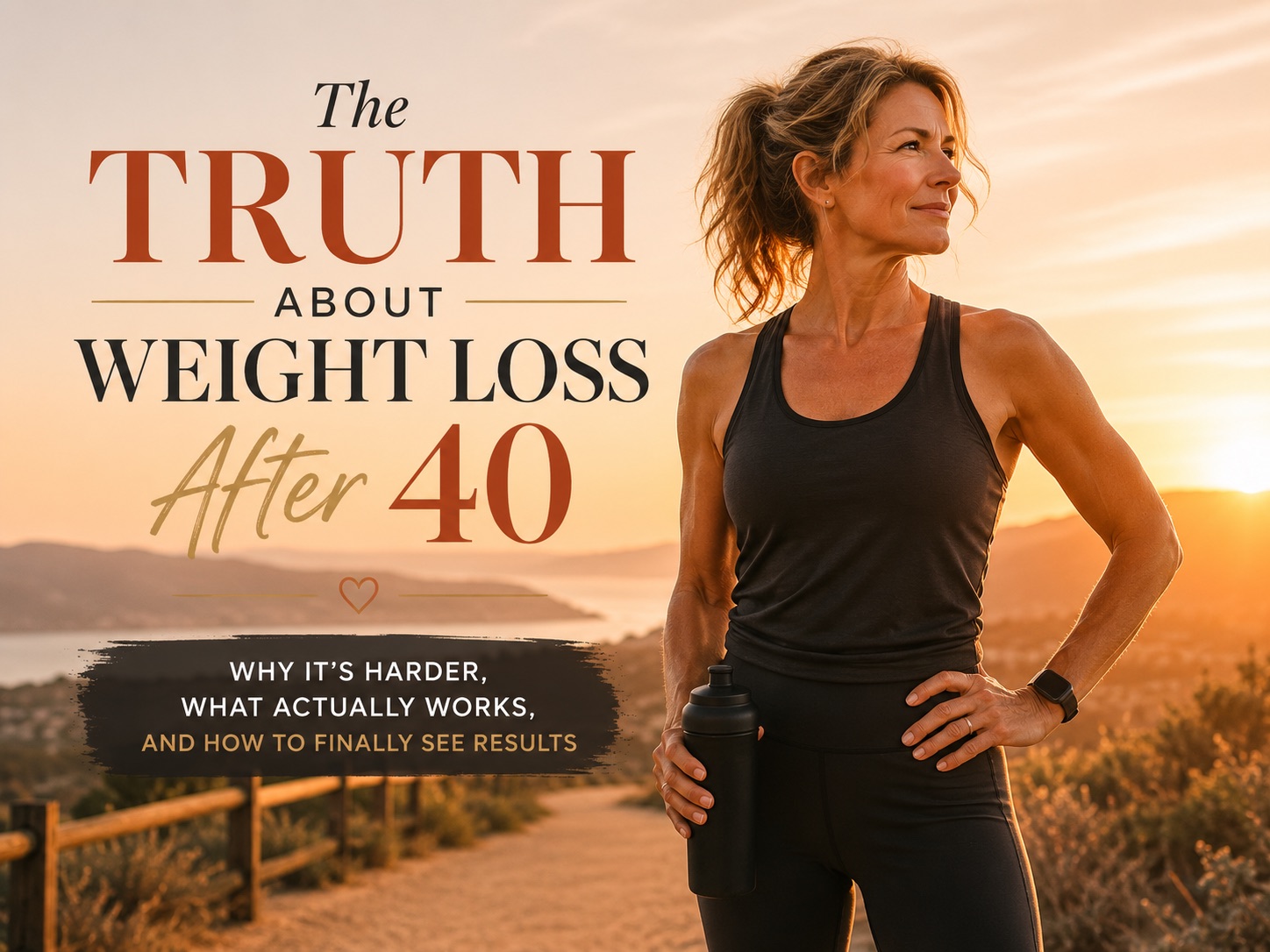
The truth about weight loss after 40 is that lasting success comes from building strength, supporting your health, and creating habits that work with your body rather than against it.
That approach may take longer than a crash diet.
But it also creates something far more valuable.
A stronger body.
A healthier life.
And a version of yourself you can sustain for years to come.
FAQ Section
Why is it harder to lose weight after 40? Weight loss can become more challenging due to hormonal changes, reduced muscle mass, increased stress, poor sleep, and lower daily activity levels.
Can women still lose weight after 40? Absolutely. Women can successfully lose weight after 40 by focusing on strength training, adequate protein intake, sustainable nutrition habits, and consistent physical activity.
What is the best exercise for weight loss after 40? Strength training is one of the most effective forms of exercise because it helps build muscle, improve metabolism, and support long-term fat loss.
How can I lose belly fat after 40? Spot reduction is not possible, but reducing overall body fat through strength training, proper nutrition, stress management, and adequate sleep can help decrease belly fat over time.
Do hormones make weight loss impossible during menopause? No. Hormonal changes can make weight loss more challenging, but they do not make it impossible. Many women successfully lose weight during perimenopause and menopause with the right approach.
How much protein should women over 40 eat? Individual needs vary, but most active women benefit from prioritizing protein at every meal to support muscle retention, recovery, and satiety.
Fire & Grace shares general fitness, nutrition, and personal-development education. This article is not medical advice, diagnosis, treatment, therapy, medical nutrition therapy, or injury rehabilitation. Work with an appropriate licensed professional for your individual needs.