Discover why mobility training is essential for women over 40. Improve strength, reduce stiffness, protect your joints, and move with confidence for years to come.
For many women, mobility becomes important only after pain shows up.
The shoulder starts feeling tight.
The hips ache after sitting all day.
Getting up from the floor isn't as easy as it used to be.
Suddenly, stretching becomes something you "should have been doing."
But mobility isn't simply rehabilitation.
It's preparation.
It's one of the best investments you can make in your future strength.
Flexibility and Mobility Aren't the Same Thing
People often use these words interchangeably, but they're different.
Flexibility is your muscles' ability to lengthen.
Mobility is your ability to actively move a joint through its available range of motion with strength and control.
Think about raising your arms overhead.
Being flexible enough to reach overhead is helpful.
Being able to control that movement while lifting a suitcase into an overhead compartment is mobility.
Mobility is flexibility plus strength.
That's why it's so valuable.
Why Mobility Becomes More Important After 40
As we age, several factors begin working against comfortable movement.
Many of us spend hours sitting.
We repeat the same movement patterns every day.
Hormonal changes can affect recovery.
Past injuries may create stiffness or compensation patterns.
None of these mean you're destined to become less mobile.
They simply mean your body benefits from intentional movement.
Mobility is one of the ways we remind our bodies what they're capable of doing.
Better Mobility Leads to Better Strength
Many women believe mobility is something you do instead of lifting weights.
In reality, it helps you lift better.
Good mobility allows you to:
- Squat deeper with better form.
- Press overhead more comfortably.
- Hinge safely during deadlifts.
- Maintain better posture.
- Generate more efficient movement.
Quality movement allows strength to develop more effectively.
It's difficult to build strength through positions your body can't comfortably reach.
Everyday Life Is Built on Mobility
Mobility isn't just about the gym.
It's about life.
Can you kneel in the garden?
Can you reach the top shelf?
Can you get down on the floor with grandchildren?
Can you step over a curb confidently?
Can you rotate comfortably to back your car out of the driveway?
These everyday movements rarely appear on workout programs.
Yet they define independence.
The Areas That Need the Most Attention
Every person is different, but many women over 40 benefit from regularly improving mobility in:
- Ankles
- Hips
- Thoracic spine (mid-back)
- Shoulders
- Wrists
Improving these areas often makes many exercises feel smoother and more comfortable.
Remember, mobility is about quality—not forcing your body into uncomfortable positions.
Mobility Doesn't Have to Take an Hour
One reason people skip mobility work is because they assume it requires long stretching sessions.
It doesn't.
Five to ten intentional minutes before your workout can prepare your body remarkably well.
A few minutes in the evening can reduce stiffness after a long day.
Small, consistent sessions are often more valuable than occasional marathon stretching routines.
Move Before You Sit
One simple habit can make a surprising difference.
Move early in the day.
After sleeping for several hours, your body often feels stiffer than it will later.
Gentle movement in the morning helps wake up your joints and muscles while setting the tone for the day.
It doesn't have to be complicated.
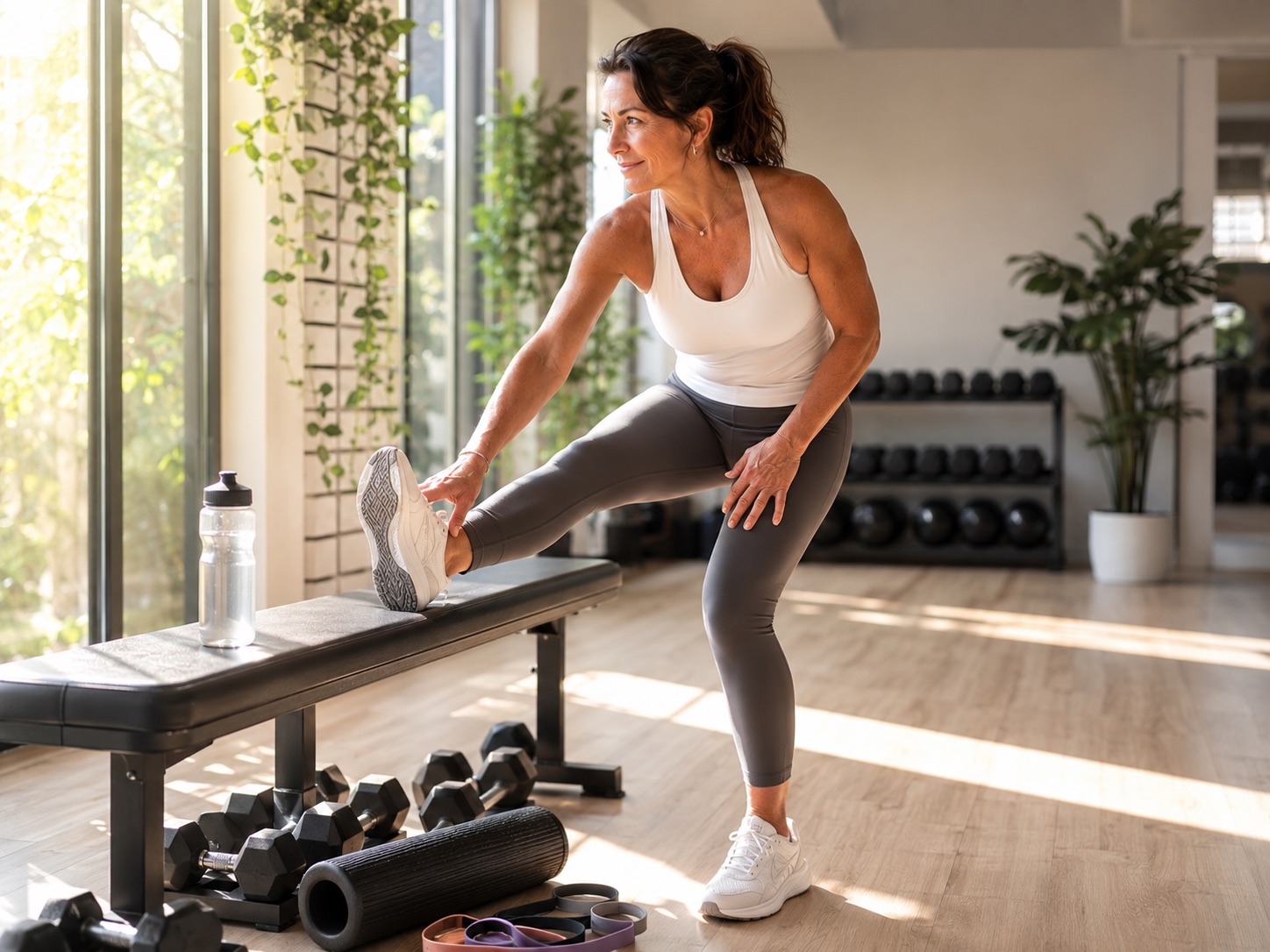
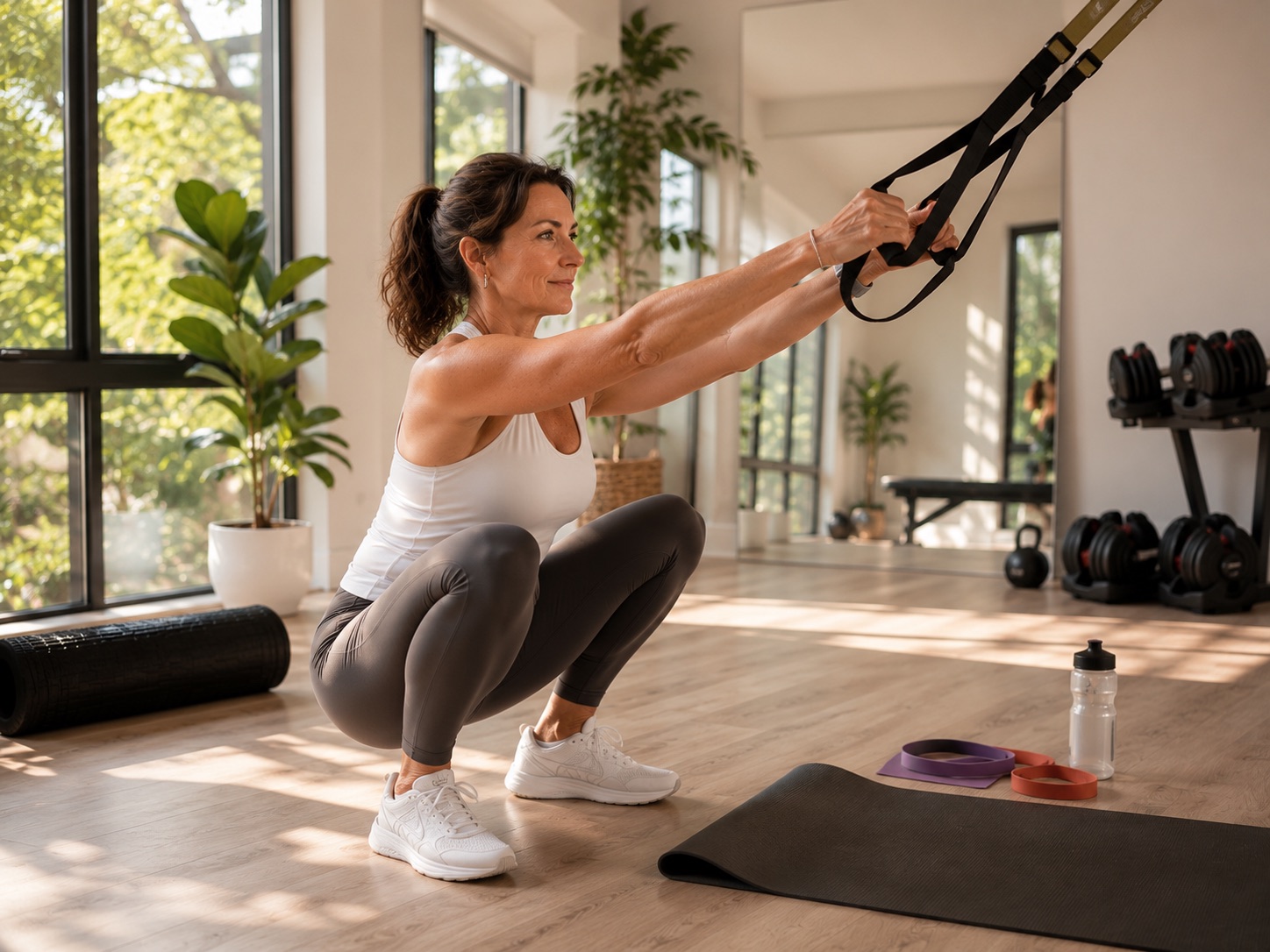
A few minutes of hip mobility, shoulder circles, spinal rotation, and bodyweight squats can help you feel noticeably better.
Mobility Is an Act of Respect
At Fire & Grace, we don't treat mobility as punishment for getting older.
We treat it as an act of respect for the body that carries us through life.
Every controlled movement says:
"I want this body to keep serving me."
That's a much healthier motivation than trying to become more flexible simply because you think you should.
Your Future Self Is Built Today
It's easy to focus only on today's workout.
Today's calories.
Today's weight.
But mobility reminds us to think further ahead.
Every time you improve the way your body moves, you're investing in future adventures.
Future travel.
Future hikes.
Future dancing.
Future grandchildren.
Future independence.
That's why mobility belongs in every strength program.
Not because it burns calories.
Because it helps protect the body you're working so hard to build.
What's the difference between mobility and flexibility?
Flexibility is a muscle's ability to lengthen. Mobility is your ability to actively control movement through a joint's full range of motion.
How often should women over 40 do mobility work?
A few minutes most days of the week is often more effective than one long session each week. Even five to ten minutes before strength training can make a difference.
Should I stretch before lifting weights?
Static stretching isn't always necessary before lifting. Dynamic mobility exercises that prepare the joints and muscles for movement are generally a better warm-up.
Can mobility help prevent injuries?
Good mobility may improve movement quality and reduce unnecessary stress on joints during exercise. While no routine can eliminate injury risk, moving well is an important part of training safely.
What areas should I focus on most?
Many women benefit from improving mobility in the hips, ankles, shoulders, and thoracic spine because these areas influence many everyday movements and strength exercises.
Is it too late to improve mobility after 50?
Not at all. Mobility can improve at almost any age with consistent practice, appropriate exercises, and patience.
Fire & Grace shares general fitness, nutrition, and personal-development education. This article is not medical advice, diagnosis, treatment, therapy, medical nutrition therapy, or injury rehabilitation. Work with an appropriate licensed professional for your individual needs.