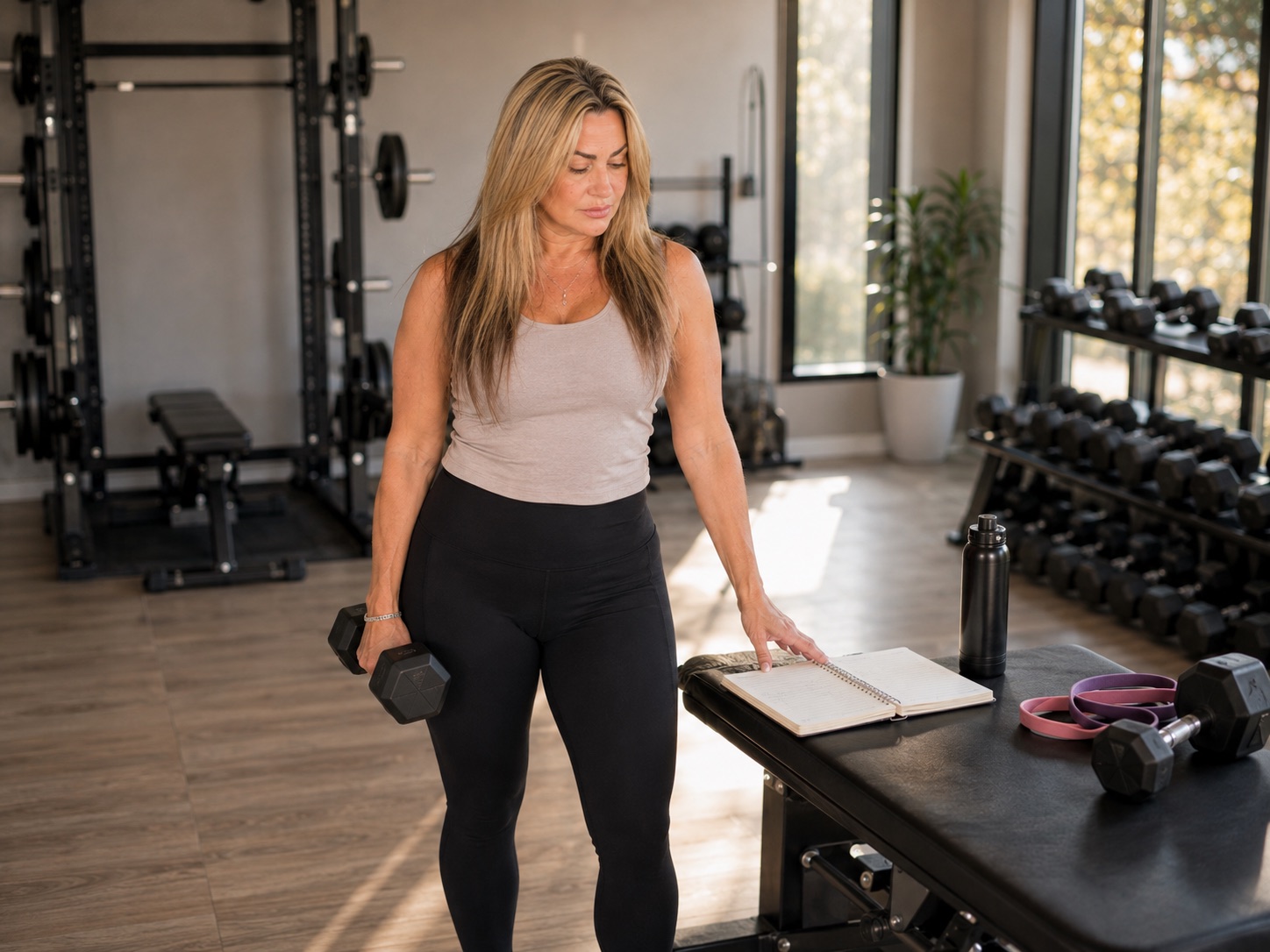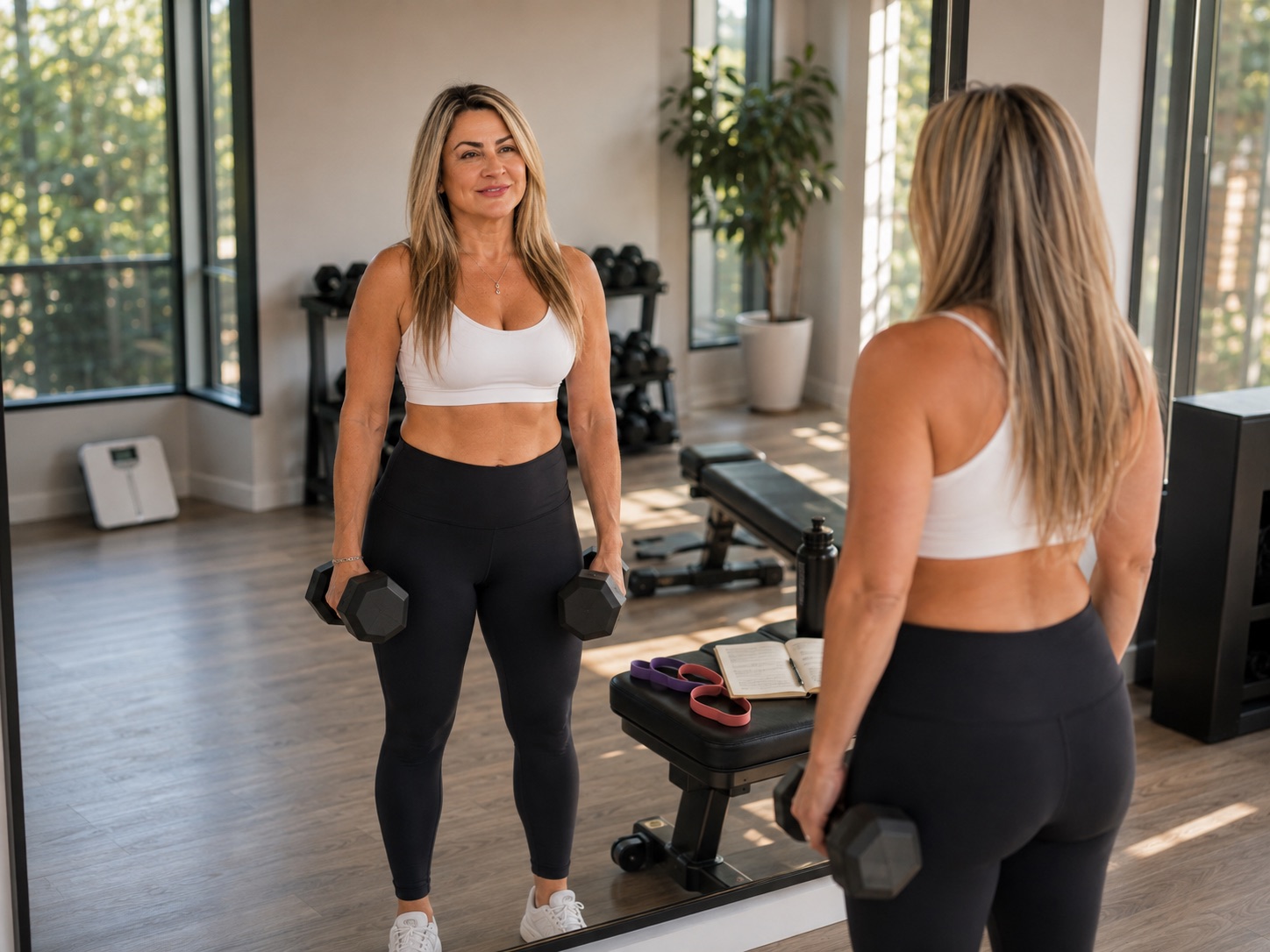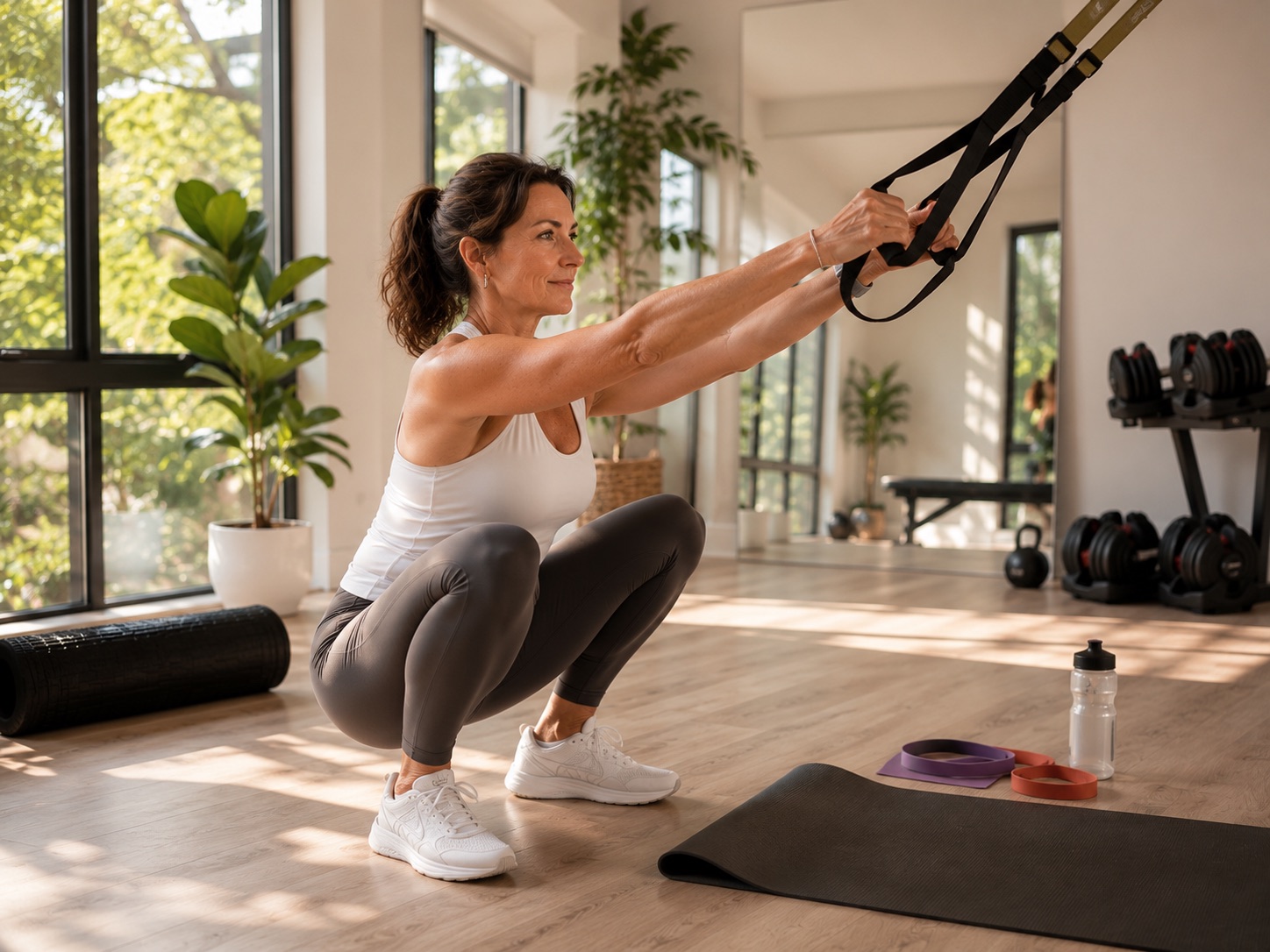
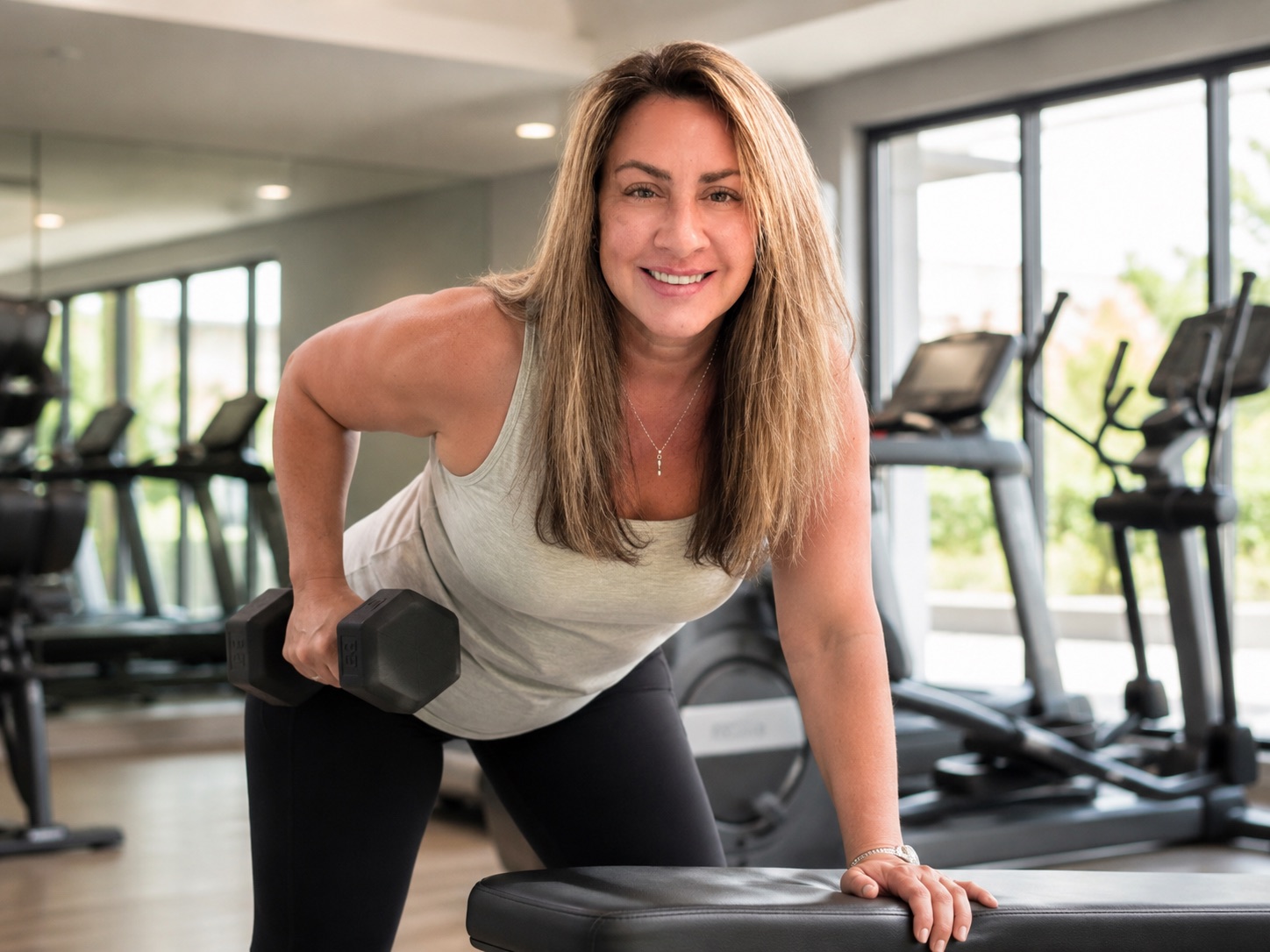
Discover why strength training is more effective than endless cardio for women over 40 who want fat loss, muscle, confidence, and long-term health.
Why So Many Women Default to Cardio
For decades, women have been told that if they want to lose weight, they need to burn more calories.
That message led countless women to believe the treadmill was the answer.
Walk longer.
Run farther.
Take another cardio class.
Burn another 500 calories.
While cardiovascular exercise absolutely has an important place in a healthy lifestyle, it should not be the centerpiece of a fitness plan for most women over 40.
The body changes during midlife. Hormones shift. Recovery changes. Muscle naturally declines with age. Metabolism becomes less forgiving.
The strategies that worked at 25 often stop producing the same results at 45.
The answer isn't working harder.
It's training smarter.
Muscle Is Your Metabolic Ally
Muscle is active tissue.
It requires energy to maintain, helps improve insulin sensitivity, supports movement, protects joints, and contributes to a healthier metabolism.
Beginning around our 30s, adults naturally begin losing muscle if they do nothing to preserve it. That process can accelerate during perimenopause and menopause.
When muscle decreases, everyday life often becomes harder.
Lifting groceries feels heavier.
Getting off the floor becomes more difficult.
Balance declines.
Energy drops.
Strength training directly addresses those changes by encouraging the body to maintain—and often rebuild—lean muscle.
Cardio Burns Calories Today
Strength Training Helps Tomorrow
One workout on the treadmill certainly burns calories.
But strength training creates benefits that extend far beyond the workout itself.
As muscles adapt, they become stronger and more efficient.
Daily activities require less effort.
Body composition begins to improve.
Many women notice that while the scale doesn't move dramatically at first, their clothes fit differently, posture improves, and they begin feeling stronger in everyday life.
Those changes matter far more than one afternoon's calorie burn.
Body Composition Matters More Than Weight
One of the biggest mindset shifts after 40 is understanding the difference between weight loss and body recomposition.
Weight loss simply means weighing less.
Body recomposition means carrying less body fat while maintaining—or building—muscle.
Two women can weigh exactly the same.
One may have significantly more muscle, better mobility, stronger bones, higher energy, and a healthier metabolic profile.
The scale cannot tell that story.
Strength training can.
Cardio Still Has an Important Place
This is not an argument against cardio.
Walking improves cardiovascular health.
Cycling builds endurance.
Swimming supports joint-friendly movement.
Hiking reduces stress while increasing activity.
Heart health matters.
Endurance matters.
Daily movement matters.
The goal isn't choosing one or the other.
The goal is placing each in the proper role.
For many women over 40, strength training becomes the foundation while cardio becomes an excellent complement.
Strength Improves More Than Appearance
The greatest benefit of lifting weights often isn't visible in the mirror.
Strength training supports:
- Bone health
- Joint stability
- Balance
- Functional independence
- Posture
- Confidence
- Mental resilience
- Everyday capability
It changes how women experience their lives.
Climbing stairs becomes easier.
Moving furniture no longer feels impossible.
Playing with grandchildren becomes less exhausting.
Travel becomes easier.
The body begins working with you instead of against you.
You Don't Need to Lift Like a Powerlifter
Many women worry they'll have to spend hours in the gym or lift enormous weights.
Neither is true.
Most women make tremendous progress with two or three well-designed strength sessions each week.
The goal isn't becoming a competitive athlete.
The goal is becoming stronger than yesterday.
That might mean progressing from bodyweight squats to goblet squats.
From five-pound dumbbells to ten-pound dumbbells.
From avoiding the gym to looking forward to it.
Small improvements become life-changing over time.
The Emotional Benefit of Strength
One of the most overlooked reasons to strength train has nothing to do with muscles.
It's identity.
Every completed workout becomes evidence.
Evidence that you keep promises to yourself.
Evidence that your body is capable.
Evidence that you can grow stronger even in midlife.
Many women arrive at Fire & Grace believing they need motivation.
More often, they need evidence.
Strength training creates that evidence week after week.
Build Your Fitness Around What Lasts
Fitness trends come and go.
Quick fixes come and go.
Extreme diets come and go.
Strength lasts.
Muscle supports you every single day.
When your goal is living well—not simply weighing less—strength training becomes one of the most valuable investments you can make in yourself.
If you're wondering whether to spend another hour trying to burn more calories or begin building a stronger body, choose the path that keeps paying dividends for years to come.
Choose strength.
Is cardio bad for women over 40?
No. Cardio supports heart health, endurance, mood, and overall wellness. It simply shouldn't be the only form of exercise for most women over 40.
How many days should I strength train?
Most women make excellent progress with two to four strength workouts each week, depending on experience, recovery, and schedule.
Will lifting weights make me bulky?
No. Most women do not naturally produce the hormones necessary to develop large muscles. Strength training typically creates a leaner, firmer appearance.
Should I stop doing cardio?
No. Walking, cycling, swimming, and other cardiovascular activities remain valuable. Think of cardio as supporting your health while strength training builds your foundation.
Can strength training help during menopause?
Yes. Strength training supports muscle maintenance, bone density, balance, metabolism, and functional movement, making it especially valuable during perimenopause and menopause.
What's more important for fat loss after 40?
Consistent nutrition, adequate protein, strength training, daily movement, quality sleep, and patience all work together. No single workout can replace those fundamentals.
Fire & Grace isn't about chasing exhaustion or punishing workouts. It's about helping women rediscover what their bodies are capable of through sustainable strength, practical nutrition, and rebuilding trust in themselves. If you're ready to stop measuring success only by the scale and start building a body that feels strong, capable, and resilient, you're in the right place.
Fire & Grace shares general fitness, nutrition, and personal-development education. This article is not medical advice, diagnosis, treatment, therapy, medical nutrition therapy, or injury rehabilitation. Work with an appropriate licensed professional for your individual needs.