Somewhere along the way, many women were taught that exercise only counts if it is hard.
Somewhere along the way, many women were taught that exercise only counts if it is hard.
If you are not sweating enough, it does not count.
If your watch does not show enough calories burned, it does not count.
If you are not sore the next day, it does not count.
If it is not intense, dramatic, or exhausting, it does not count.
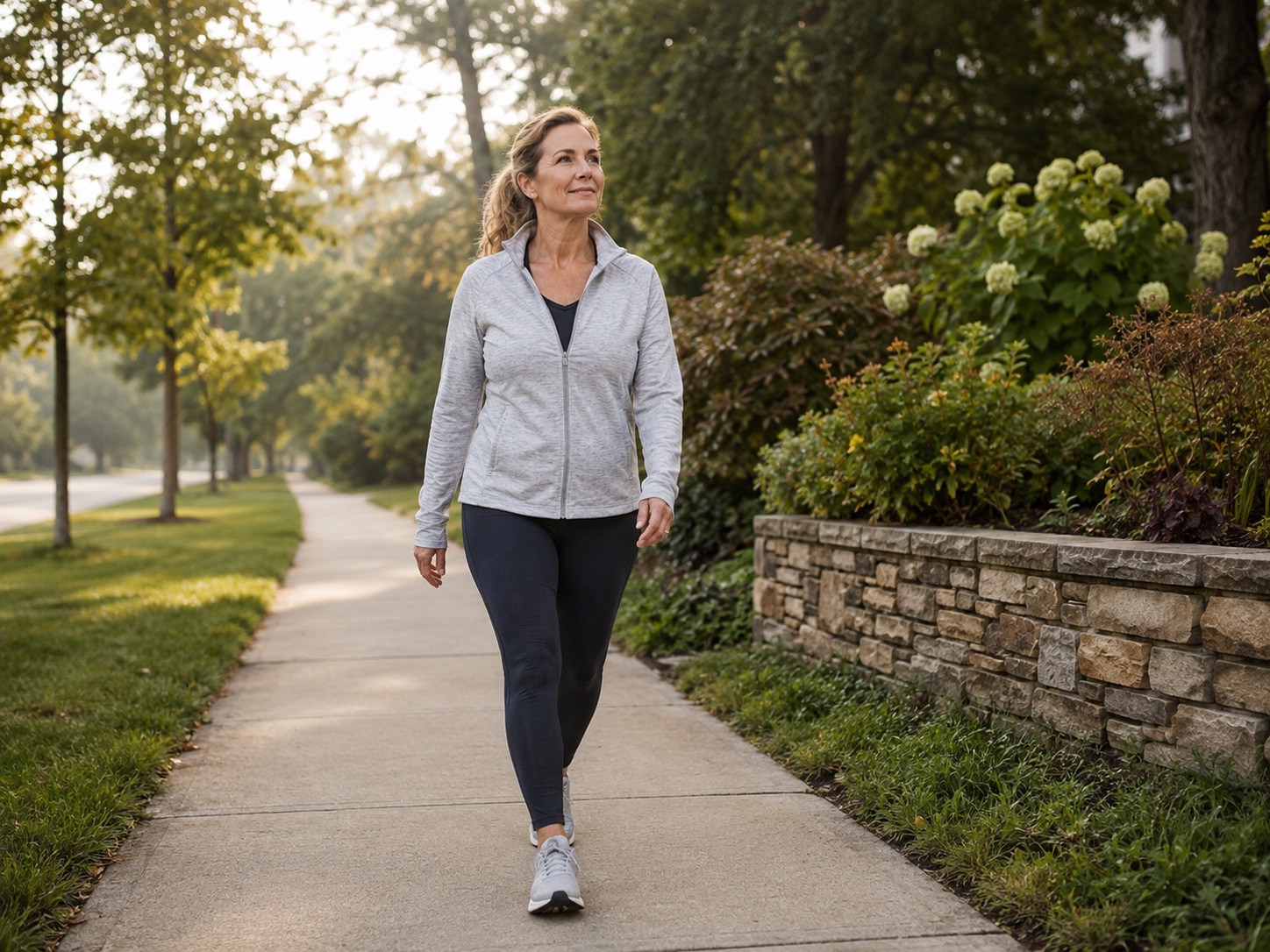
That belief has made a lot of women overlook one of the most powerful fitness habits available to them in midlife: walking.
Walking may not look flashy. It may not feel like a transformation plan. It may not come with the same excitement as a new workout program or a dramatic challenge.
But for women over 40, walking can be one of the most stabilizing, supportive, and sustainable habits you can build.
Not because walking replaces strength training.
It does not.
Not because walking magically fixes hormones.
It does not.
But because walking supports the foundation that every other part of your health is built on: movement, consistency, stress regulation, energy, metabolism, and self-trust.
Walking Is Not “Less Than”
Many women dismiss walking because it feels too simple.
They think, “I should be doing more.”
More cardio.
More lifting.
More intensity.
More classes.
More discipline.
More everything.
But more is not always better, especially in midlife.
Perimenopause, menopause, stress, poor sleep, caregiving, work pressure, and emotional exhaustion can all change how your body responds to exercise. There are seasons when adding more intensity to an already overwhelmed body does not create better results. It creates more stress.
Walking is different.
Walking gives your body movement without punishment.
It raises your daily activity without requiring a full recovery day.
It helps you reconnect with your body without turning fitness into another performance.
It is not a consolation prize.
It is a legitimate health habit.
Why Walking Matters More After 40
After 40, many women notice that their bodies respond differently than they used to.
Weight loss may feel slower. Energy may fluctuate more. Sleep may become lighter. Stress may feel harder to recover from. Hormonal shifts can affect mood, appetite, body composition, and motivation.
This is why daily movement becomes so important.
Walking helps increase your overall activity level in a way your body can usually recover from well. It can support circulation, digestion, mood, cardiovascular health, and weight management. It also helps many women feel less stuck in their bodies.
That matters.
Because midlife fitness is not only about structured workouts. It is also about how much you move through your actual life.
A woman can lift weights three times per week and still spend most of her day sitting. Strength training is essential, but daily movement fills in the gaps.
Walking is one of the easiest ways to do that.
Walking Supports Weight Loss Without Obsession
When women think about weight loss after 40, they often jump straight to restriction.
Cut calories.
Cut carbs.
Skip meals.
Do harder workouts.
Start over Monday.
But sustainable weight loss usually comes from a combination of habits that support the body consistently over time.
Walking can help because it increases energy expenditure without adding the same stress load as high-intensity exercise. It also reduces the all-or-nothing mindset that often keeps women stuck.
A walk does not require the perfect outfit.
It does not require a gym.
It does not require being in a good mood.
It does not require a full hour.
It simply requires starting.
That makes it powerful.
Because the habit you can repeat is usually the habit that changes you.
The Nervous System Benefit Nobody Talks About Enough
Many women over 40 are not just physically tired. They are emotionally and mentally overloaded.
They are carrying businesses, families, marriages, aging parents, friendships, decisions, schedules, finances, and a constant stream of invisible responsibilities.
That kind of load affects the body.
Stress can influence cravings, sleep, digestion, recovery, inflammation, and consistency. A stressed body often has a harder time responding well to change.
Walking can become a pressure-release valve.
Not in a mystical way.
In a practical way.
Walking gives your body a rhythm. It gets you out of your head. It creates space between you and the demands of the day. It can help process emotion, regulate stress, and bring your attention back to the present moment.
Sometimes a walk is not about burning calories.
Sometimes a walk is about not carrying the entire day inside your chest.
That counts too.
Walking and Strength Training Work Together
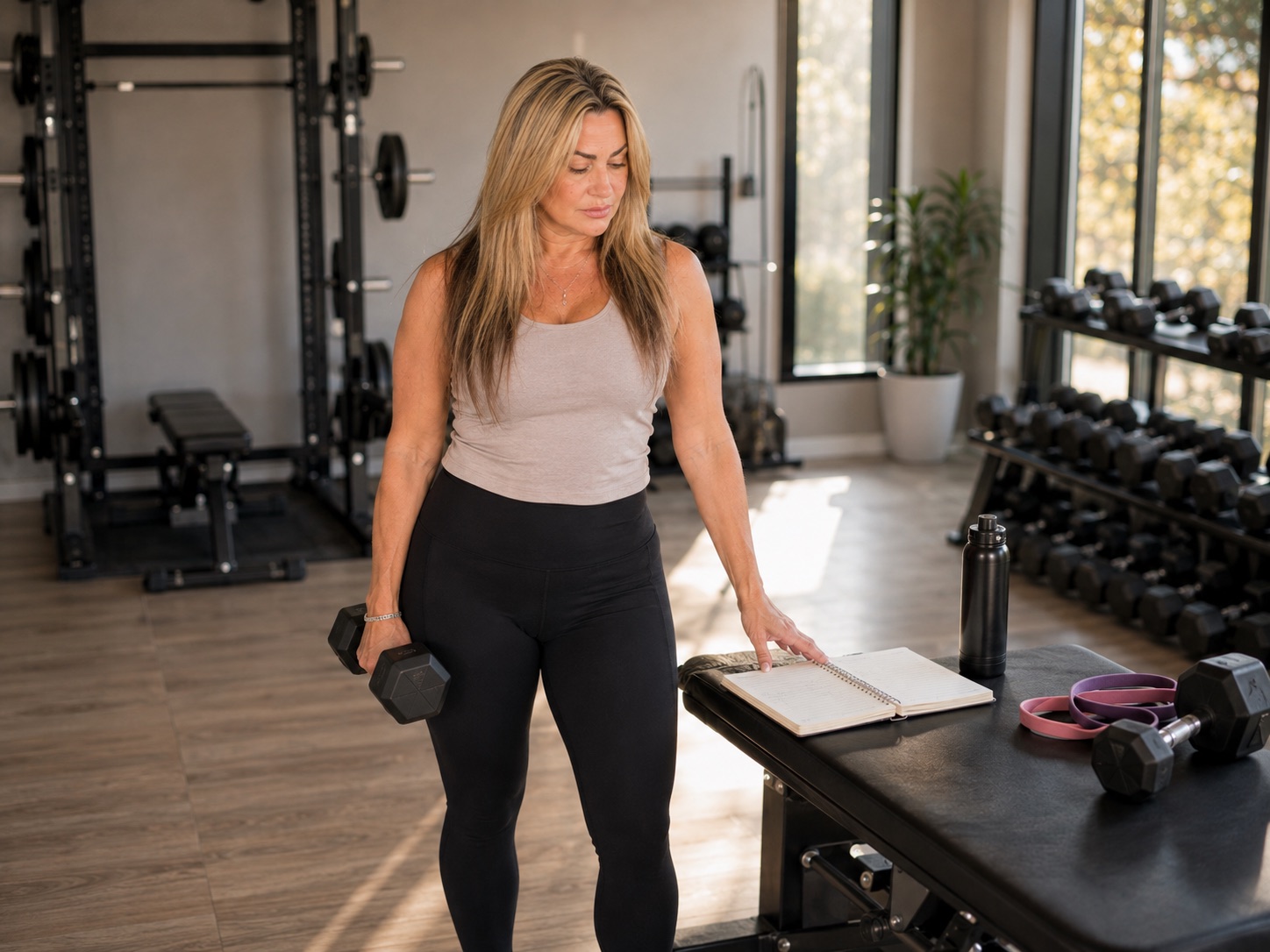
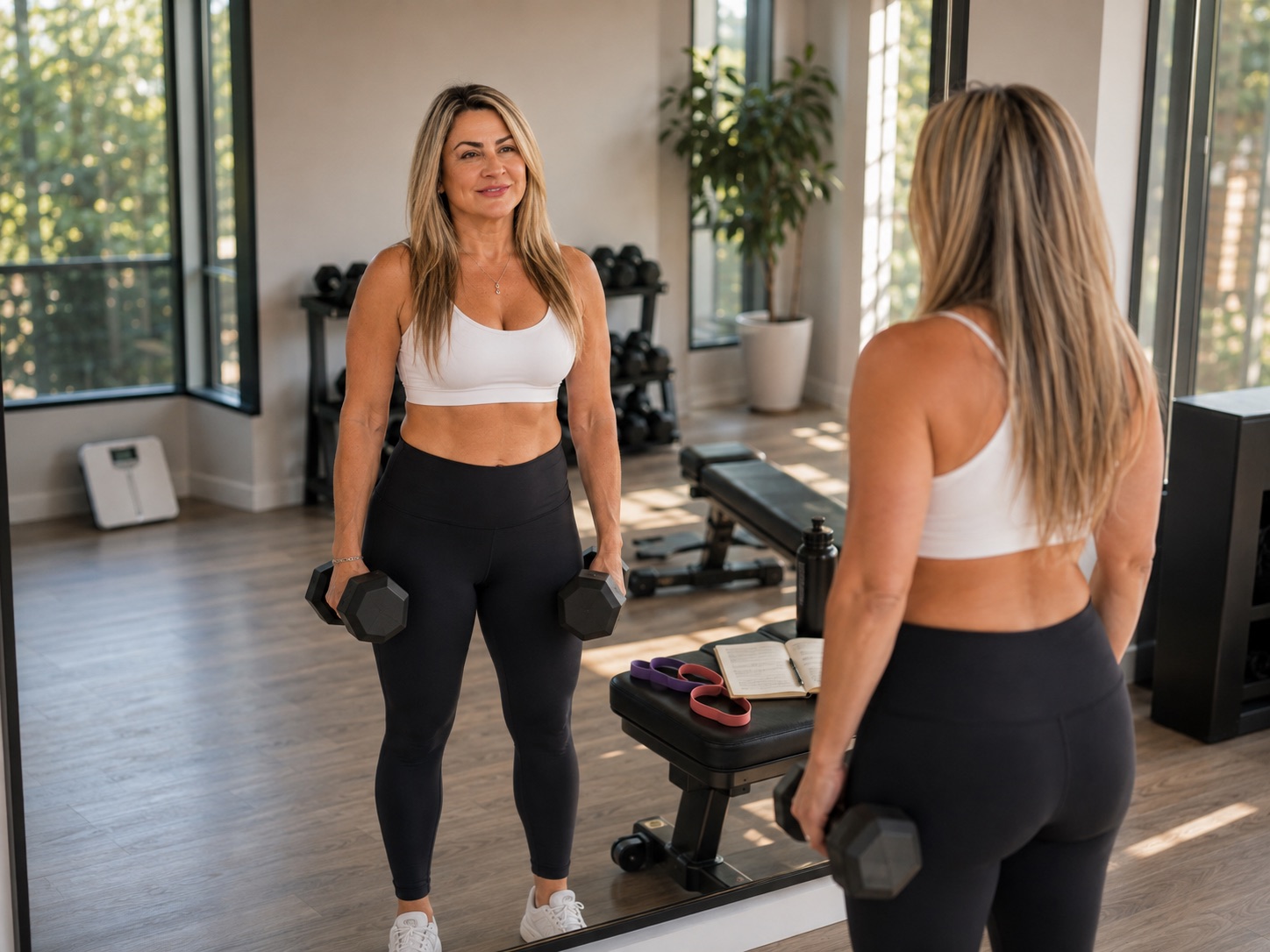
At Fire & Grace, strength training remains one of the most important tools for women over 40.
Muscle matters.
Bone strength matters.
Confidence matters.
The ability to lift, carry, climb, move, and live with power matters.
But walking and strength training do different jobs.
Strength training tells your body, “Build and preserve muscle.”
Walking tells your body, “Move often, recover well, and stay active.”
Together, they create a strong foundation.
The mistake is thinking you have to choose.
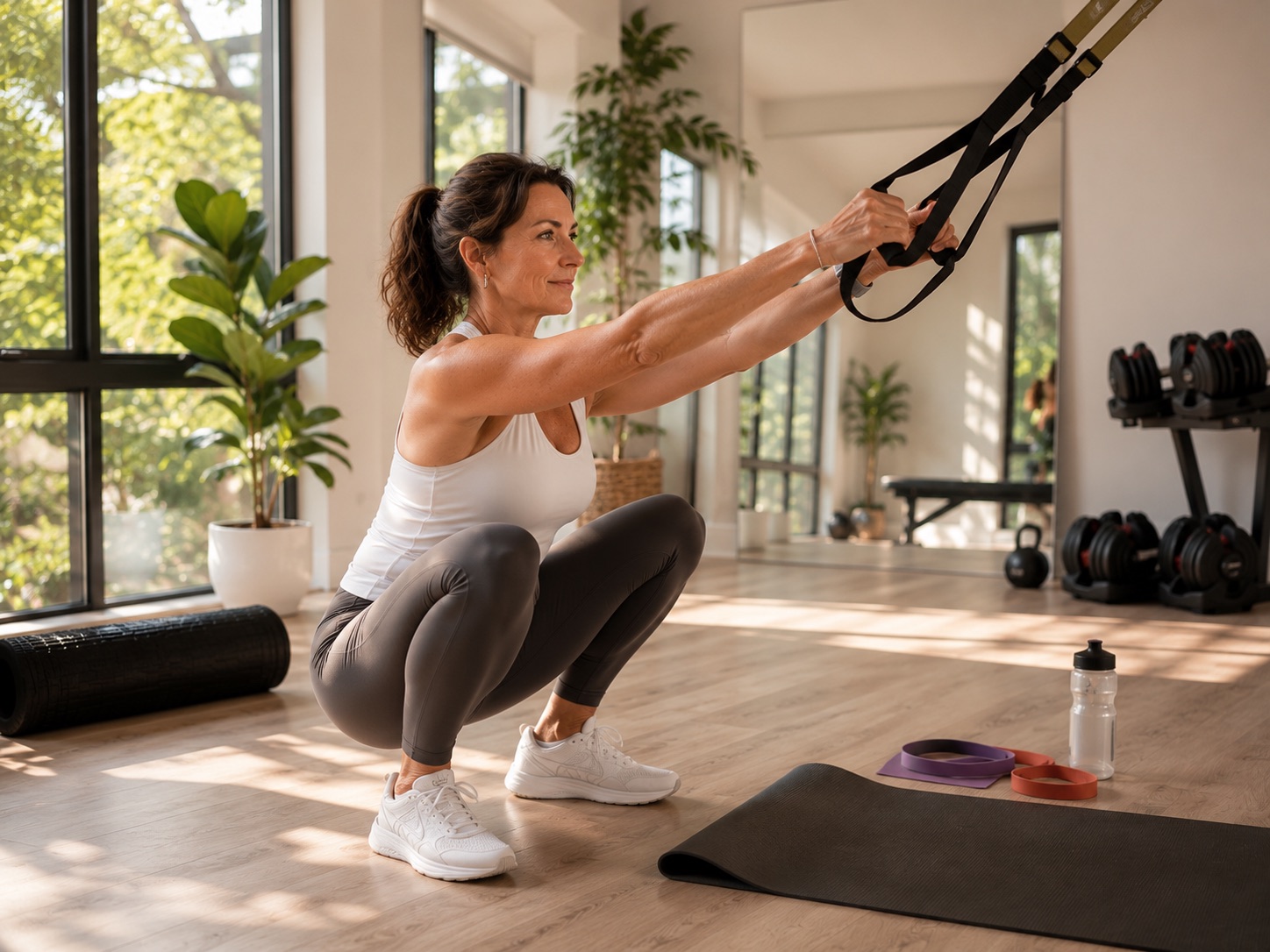
You do not need to choose between lifting and walking. You need both in the right amounts for your life, your body, and your season.
For many women, the sweet spot is strength training several times per week and walking most days.
Not perfectly.
Consistently.
Why Walking Helps Rebuild Self-Trust
One of the quiet reasons walking is so powerful is that it helps rebuild self-trust.
Many women have a long history of starting intense plans and quitting them.
They begin with energy and hope, then life gets complicated. They miss a workout. They eat differently than planned. They get tired. They fall behind. Then shame takes over.
Walking gives you a different kind of win.
It is simple enough to repeat.
It is flexible enough to fit real life.
It is gentle enough to return to after a hard week.
Every time you take the walk you said you would take, you give your brain evidence that you are someone who follows through.
That matters more than most women realize.
You are not just building a walking habit.
You are building a relationship with yourself.
How Much Walking Is Enough?
There is no perfect number that applies to every woman.
Some women love step goals. Some women hate them. Some women are motivated by tracking. Some women feel controlled by it.
A good starting point is to look at your current baseline and build from there.
If you are barely walking now, start with ten minutes.
If you already walk sometimes, aim for consistency before intensity.
If you sit most of the day, try adding short walking breaks.
If your evenings are chaotic, walk in the morning.
If mornings are impossible, walk after lunch.
The best walking plan is the one you will actually do.
Do not let an ideal number keep you from starting.
Ten minutes counts.
A loop around the block counts.
A walk after dinner counts.
A quiet walk in the parking lot before going back to work counts.
Small repeated actions become identity.
The Power of Walking After Meals
One of the most useful times to walk is after meals.
A short walk after eating can support digestion, help regulate energy, and create a natural transition in your day. It can also interrupt the pattern of eating and immediately collapsing into the couch, scrolling, or continuing to work without a pause.
This does not need to be complicated.
You do not need a 45-minute power walk.
Try ten minutes after lunch or dinner.
That small choice can become a signal to your body: “We move. We support ourselves. We do not need perfection to practice health.”
Again, this is not about obsession.
It is about building rhythms that help your body feel cared for.
Walking Is Also a Boundary
For many women, walking is not hard because of the walking.
It is hard because it requires permission.
Permission to step away.
Permission to pause work.
Permission to let someone else wait.
Permission to not be immediately available.
Permission to take up time for yourself.
That is why walking can become more than exercise. It can become a boundary in motion.
A woman who says, “I am going for a walk,” is also saying, “My body matters. My mind matters. My health matters. I am allowed to leave the room and come back to myself.”
That may sound simple, but for a woman who has spent years being available to everyone else, it can be radical.
Make Walking Easier to Repeat
The key to walking consistently is reducing friction.
Keep walking shoes where you can see them.
Choose a route that feels safe and simple.
Do not make every walk a major production.
Pair walking with something you already do, like morning coffee, lunch breaks, phone calls, or evening cleanup.
Let some walks be quiet.
Let some walks include music.
Let some walks be slow.
Let some walks be short.
The goal is not to turn walking into another rule you can fail.
The goal is to make movement feel like part of who you are.
A Simple Fire & Grace Walking Practice
For the next seven days, choose one walking promise.
Not five promises.
One.
Walk for ten minutes after dinner.
Walk before checking your phone in the morning.
Walk during one work break.
Walk while listening to something encouraging.
Walk after lunch three times this week.
Pick something realistic enough that your actual life has room for it.
Then keep the promise.
Notice how your body feels.
Notice how your mood shifts.
Notice whether you feel more grounded.
Notice how it feels to follow through without needing the plan to be dramatic.
That is where change begins.
Walking Is Not Everything, But It Is Something Powerful
Walking will not replace strength training.
It will not replace sleep.
It will not replace nutrition.
It will not erase the realities of perimenopause or menopause.
But walking is powerful because it is accessible, repeatable, and deeply supportive.
It helps women over 40 move more without burning out.
It supports weight loss without obsession.
It creates space for emotional regulation.
It builds consistency.
It gives you a daily way to practice choosing yourself.
And sometimes, that is exactly what a woman needs most.
Not another extreme plan.
Not another reason to feel behind.
Just one steady step back toward herself.
Is walking enough exercise for women over 40?
Walking is an excellent fitness habit, but it should not be the only form of exercise for most women over 40. Walking supports cardiovascular health, daily movement, mood, and weight management, while strength training supports muscle, bone density, metabolism, and long-term function. Together, they create a stronger midlife fitness foundation.
Can walking help with weight loss after 40?
Yes, walking can support weight loss after 40 by increasing daily movement and energy expenditure without adding excessive stress to the body. It works best when paired with strength training, adequate protein, consistent nutrition, sleep support, and realistic habits.
How many steps should women over 40 aim for?
There is no perfect step count for every woman. A helpful approach is to start from your current baseline and gradually increase. If you are not walking much now, ten minutes per day is a meaningful place to begin. Consistency matters more than chasing a perfect number.
Is walking good during perimenopause?
Walking can be very helpful during perimenopause because it is low-impact, supports stress regulation, encourages daily movement, and is usually easier to recover from than intense exercise. It can be especially supportive when energy, sleep, mood, or recovery feel unpredictable.
Should I walk before or after meals?
Both can be beneficial, but walking after meals is a simple habit many women find helpful for digestion, energy, and routine. Even a ten-minute walk after lunch or dinner can be a practical way to support your body.
Does walking replace strength training?
No. Walking and strength training serve different purposes. Walking supports daily movement and cardiovascular health, while strength training helps build and maintain muscle, bone strength, and physical confidence. Women over 40 benefit from both.
What if I only have ten minutes?
Ten minutes counts. A short walk repeated consistently is far better than waiting for the perfect hour that never comes. Small walks build the habit, and the habit builds self-trust.
Fire & Grace shares general fitness, nutrition, and personal-development education. This article is not medical advice, diagnosis, treatment, therapy, medical nutrition therapy, or injury rehabilitation. Work with an appropriate licensed professional for your individual needs.